Wondering what a business class fly pris really looks like these days? I get the question a lot from Danish friends and colleagues, and honestly the honest answer is annoying: it depends, and the spread is wild. The same long-haul business seat can cost 18,000 DKK one way or 4,500 DKK, depending on when you book, where you point the search, and whether an airline happens to be running a sale. This article breaks down what you should expect to pay from Denmark, why the prices move so much, and the tricks that actually work when you want the flat bed without the flat wallet.
What Does a Business Class Ticket Actually Cost?
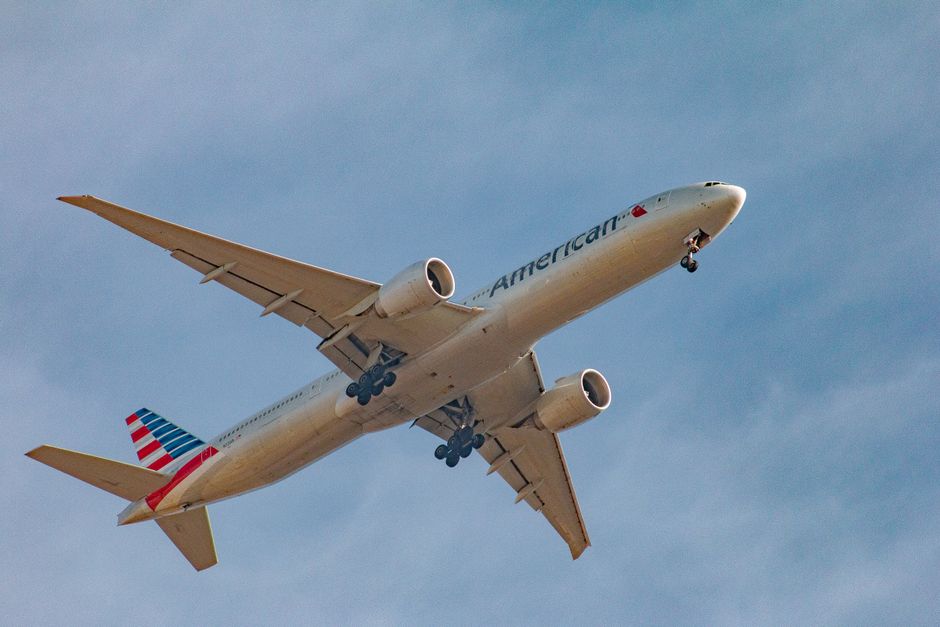
Let’s start with rough numbers, because vague advice helps nobody. From Copenhagen, a round-trip business class ticket to New York typically lands between 15,000 and 25,000 DKK if you book reasonably early. Bangkok runs around 20,000 to 35,000 DKK depending on the carrier. London or shorter European hops in business (which, let’s be blunt, is often just a blocked middle seat and a slightly better lunch) usually cost 3,000 to 6,000 DKK round trip.
I’ve seen SAS sales drop Copenhagen to New York business class to under 14,000 DKK round trip, and I’ve seen the exact same route climb past 30,000 DKK
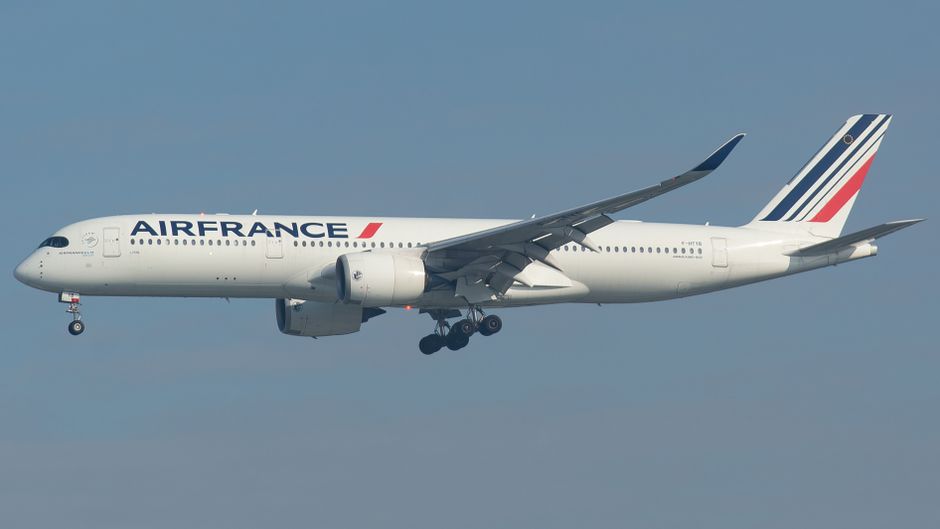 during summer peak. Same plane, same seat, more than double the price. That gap is the whole game. Your job as a buyer is to land in the cheap half of that range, and it’s very doable.
Why Does the Price Swing So Much?
Airlines price business class completely differently from economy. Down the back, seats are priced to fill the plane. Up front, the airline is happy to fly with empty flat beds if it protects the premium. There are only a handful of business seats per flight, sometimes as few as eight on smaller aircraft, so one corporate travel department booking late can eat the cheap fare buckets overnight.
A few things move the number more than anything else:
- Booking window. Roughly 2 to 4 months out is often the sweet spot for long-haul. Under three weeks before departure, business fares from Denmark get brutal, fast.
- Corporate demand. Monday and Thursday flights to financial hubs carry business travelers who aren’t paying their own money. Tuesday and Saturday departures can be meaningfully cheaper.
- Currency and oil prices. A weaker booking month makes airlines open sales. I’ve caught some of my best fares right after a bad quarter for a carrier.
- Competition on the route. Emirates, Qatar and Turkish all fight over Copenhagen traffic, and that keeps prices honest in ways that a monopoly route never will.
Which Airlines Offer the Best Business Class Value from Denmark?
SAS is the obvious default for most Danes, and their business product (called SAS Business on long-haul) is genuinely decent, with proper flat beds on the A350 and A330. The catch: SAS prices from Copenhagen can be stubbornly high on routes where they face little competition. If SAS is the only option, expect to pay for it.
Personally, I’d look harder at the Gulf and Turkish carriers. Turkish Airlines via Istanbul often undercuts everyone on price while offering a very good business class, including the famous lounge in Istanbul with a piano and a simit bakery. Qatar via Doha has won Skytrax’s best business class award repeatedly (the Qsuite has closing doors, which I still think is the single best feature in the sky), and their fares from Copenhagen are frequently competitive with SAS economy plus a bit extra. Emirates from Copenhagen to Dubai and beyond tends to sit somewhere in the middle on price but high on experience.
For transatlantic, don’t sleep on Icelandair, or on booking a Star Alliance partner ticket that connects through Frankfurt or Zurich. The connection is mildly tedious, but the savings can fund a week of hotel nights.
How to Find Cheap Business Class Fares: What Actually Works
There’s a lot of nonsense advice online about this. Here’s what I’ve found holds up after years of booking these tickets myself.
Set alerts and wait for sales
Google Flights price tracking on your specific route and dates does more for you than any hack article ever will. Airlines from Copenhagen run business class sales two to four times a year, usually in January, late summer, and around Black Friday. A 25 to 40 percent discount off the normal business class fly pris during these windows is normal, not exceptional.
Compare one-way pricing and mixing carriers
Booking two one-ways, sometimes on different airlines, occasionally beats the round trip. It also means you can fly out on the sale fare and accept a pricier return if dates are fixed. Check both before assuming anything.
Use points, but be realistic
A round trip to New York in business through a Star Alliance or oneworld partner typically costs 120,000 to 160,000 points round trip plus taxes and fees. If you’ve got a premium travel card and have been earning for a couple of years, this can be the cheapest flat bed you’ll ever get. The honest caveat: award availability from Copenhagen is limited, so you often need to connect or be flexible with dates. I once had to fly CPH to Zurich to catch a saver award, and the detour still saved me around 16,000 DKK.
Check premium economy as a middle path
If the business class fly pris makes you wince, premium economy is roughly 50 to 70 percent of the business price with a much better seat than economy. SAS Plus, Virgin Premium and Air France Premium are all respectable. It’s a legitimate answer, not a consolation prize.
Is Business Class Ever Worth Paying Full Price For?
Sometimes, yes, and I’ll defend that. If you land at 6 AM after an overnight flight and need to work the same day, a flat bed converts a lost day into a functional one. On flights over eight hours I find the math easier to justify: you sleep, you arrive human, and you skip the worst of jet lag. Under six hours, I struggle to recommend it unless someone else is paying or you found a genuinely cheap fare.
My rough rule: long-haul at a good price, absolutely. Long-haul at full fare, only if time genuinely costs you money. Short-haul European business class, almost never, unless it comes with fast track and lounge access you’d otherwise buy anyway.
A Quick Comparison of Typical Fares from Copenhagen
| Route (round trip) | Typical range (DKK) | Cheapest good option |
|---|---|---|
| Copenhagen to New York | 15,000 to 30,000 | SAS sales, Icelandair, Iceland connections |
| Copenhagen to Bangkok | 20,000 to 35,000 | Turkish, Qatar, Emirates promos |
| Copenhagen to Dubai | 12,000 to 24,000 | Emirates sales, points redemptions |
| Copenhagen to London (business) | 3,000 to 6,000 | Rarely worth it, honestly |
Treat these as directional, not gospel. I’ve quoted them to give you a sanity check, and if you’re seeing a number wildly outside these bands, either you’ve found a steal or something is off.
Common Mistakes That Push the Price Up
People overpay for predictable reasons. Booking under two weeks out, flying the popular Monday morning departures, ignoring one-way pricing, and sticking rigidly to a single airline program out of loyalty. The last one is sneaky. SAS EuroBonus is a fine program, but its business fares are sometimes 30 percent above the competition for a similar product. Loyalty should earn you points, not cost you thousands of kroner.
Another one: forgetting position. Sometimes departing from Hamburg or Stockholm instead of Copenhagen saves real money on the same aircraft type and route network. Check it if your dates are flexible, though from most of Denmark the train to Hamburg eats a chunk of the savings.
The Short Version
Pick your route, set a Google Flights alert today, and wait for a sale window rather than booking the first price you see. Between airline promotions, mixed-carrier itineraries, and a well-timed points redemption, paying 40 to 50 percent less than the listed business class fly pris is a realistic target, not a fantasy. The seat is the same either way. Only the booking strategy changes.