Car rental in Copenhagen confuses a lot of first-time visitors, and I get why. The city itself is small, flat, and famously bike-friendly, so half the travel advice out there tells you to skip a car entirely. The other half assumes you are road-tripping up the coast to Skagen or over to Jutland. Both are right, depending on your trip. I have rented cars in Denmark more times than I can count, sometimes for a weekend, sometimes for a two-week loop, and the price differences between booking well and booking badly can hit 200 EUR. So here is the honest version: what a rental costs in Copenhagen right now, where to pick up, what the rules will cost you if you ignore them, and when you should honestly just take the train instead.
How Much Does Car Rental in Copenhagen Cost?
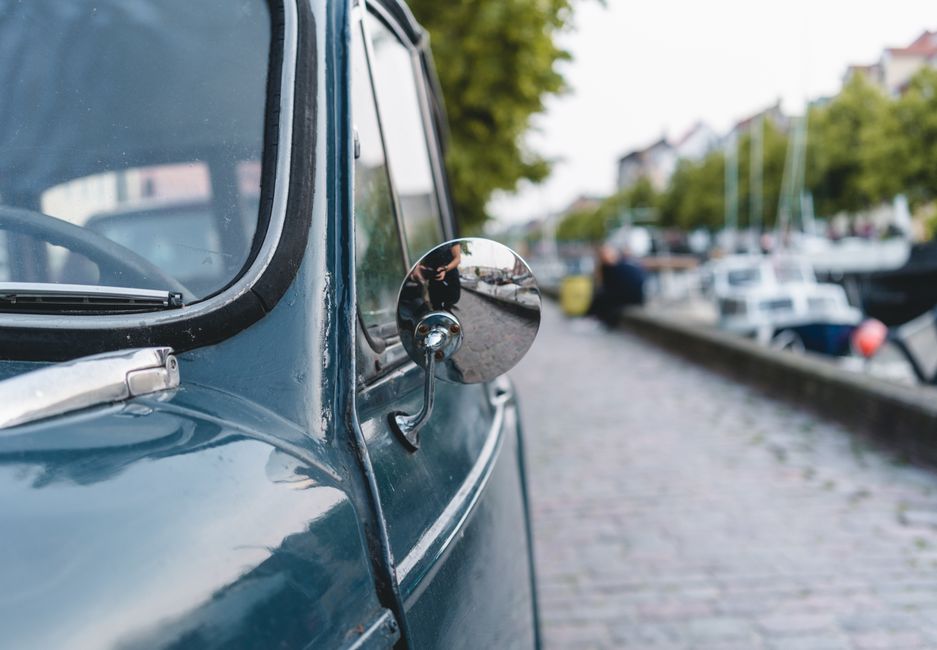
Lets start with numbers, because vague pricing helps nobody. A compact car (think Volkswagen Polo or Toyota Yaris) booked a few weeks ahead usually runs 250 to 400 DKK per day, roughly 35 to 55 USD. Book last minute in July, and that same car can jump to 700 DKK. I once paid 680 DKK for a Golf in August because I waited, and I still regret it.
Weeks-long rentals drop fast. A 10-day hire through a broker like Sunny Cars or Discover Cars often lands near 2,500 to 3,500 DKK total, which works out cheaper per day than a taxi ride to your hotel and back. Manual transmissions are standard in Denmark and cheaper than automatics, often by 80 to 120 DKK per day. If you cannot drive stick, book the automatic early. They sell out.
Where the hidden costs hide
- Insurance excess: the basic CDW often leaves you liable for 5,000 to 10,000 DKK. Excess waivers sold at the counter cost 90 to 150 DKK per day, which is steep.
- One-way fees: dropping the car in Aarhus or Billund instead of Copenhagen adds 500 to 1,500 DKK.
- Cross-border fees: driving into Sweden or Germany is usually allowed but must be declared, sometimes for a fee of 100 to 250 DKK.
- Fuel policy: look for full-to-full. Prepaid fuel schemes rarely work out in your favor.
My personal approach is to book through
 a broker that includes zero-damage cover in the headline price, then decline everything at the desk. It has saved me real money twice, once after a stone chip on the Øresund motorway.
Where Should You Pick Up Your Rental Car?
You have three realistic options, and they are not equal.
Copenhagen Airport (CPH) is where most rental desks live, all of them a short walk from Terminal 3 in the parking structure. Sixt, Hertz, Avis, Europcar, Budget and the local player Green Motion sit alongside discount brands. Prices here are competitive, hours are long, and the airport sits right on the E20 motorway, so you are moving within ten minutes of getting the keys. This is where I pick up 80% of the time.
The city center locations, mostly around Israels Plads and Vesterbrogade, suit travelers arriving by train from elsewhere in Europe. The downside: opening hours are shorter, weekend closures are common, and traffic around Nørreport during rush hour is genuinely annoying in a car you do not know.
Malmö in Sweden is the wildcard. Sometimes Swedish rates are 20 to 30% cheaper for identical cars, and the drive across the Øresund Bridge is 35 minutes. Just watch the bridge toll (around 310 DKK each way, charged automatically) and make sure your rental agreement permits taking the car into Sweden. Most do, but read the terms.
Do You Actually Need a Car in Copenhagen Itself?
Here is my honest opinion: no, not for the city. Copenhagen is one of the most walkable capitals in Europe, the metro runs 24/7, and cycling accounts for roughly half of all commutes to work and school. Parking in the center costs 30 to 50 DKK per hour in the blue zones, and street spots vanish quickly. You could easily spend more on parking over three days than on the rental itself.
Rent a car in Copenhagen for the region around it, not the city. That changes the math completely.
Trips where a car earns its keep
- North Zealand day trips: Kronborg Castle (the Hamlet castle), Louisiana Museum of Modern Art, and Fredensborg Palace in one loop. Public transport to these is possible but slow between sites.
- The Cliffs of Møn and Stevns Klint: both UNESCO-listed, both genuinely awkward without wheels.
- Road trips to Jutland: Legoland Billund, Aarhus, and the west coast beaches at Blåvand. The train gets you to Aarhus fine, but the coast and smaller towns demand a car.
- Sweden beyond Malmö: Ystad, the Österlen wine region, and the Glass Kingdom, all two hours or less away.
What Are the Driving Rules That Catch Tourists Out?
Denmark is an easy country to drive in, and Danish drivers are calm compared to, say, Rome or Athens. But a few rules generate real fines, and the cameras do the policing, not the police.
Speed limits are 50 km/h in towns, 80 on rural roads, and 130 on motorways (with sections reduced to 110). Fines start around 1,000 DKK and scale with how far over you are. Headlights must be on at all times, day or night, and most rental cars do this automatically. Alcohol limits are 0.5, the same as much of Europe, but penalties are harsh and there is zero cultural tolerance for it.
The one that surprises people is the low-emission sticker situation when crossing into Germany or the environmental zones in some Swedish cities. If you plan to drive to Hamburg or Berlin, you need a German Umweltplakette, which is cheap (under 20 EUR) but takes a few days to arrive. Order it before you leave home.
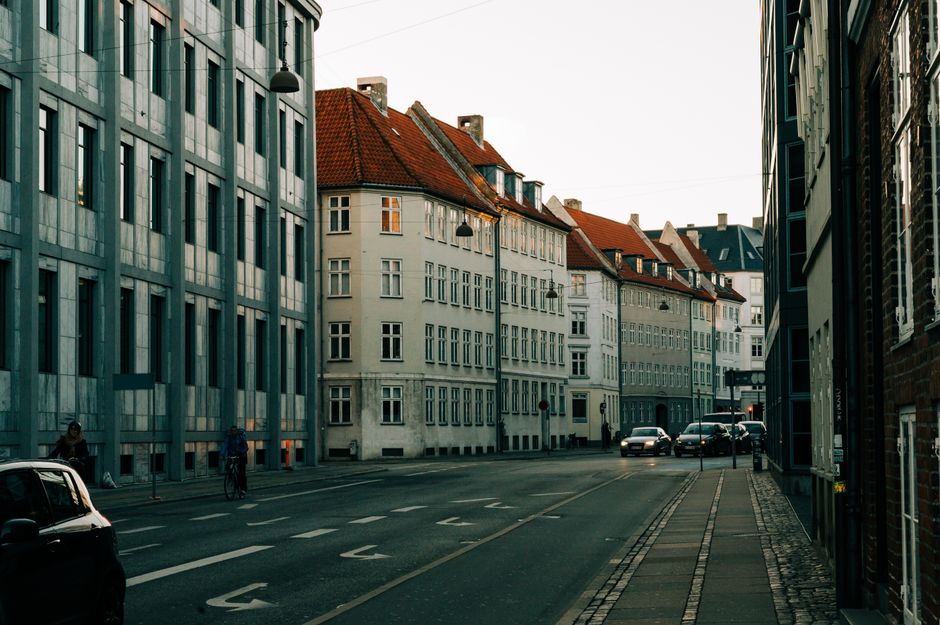
Also: cyclists. Copenhagen has more bikes than cars, and bike lanes are physically separated and legally protected. One careless right turn across a bike lane can hurt someone and will absolutely make you the villain of your trip. Check your mirror, then check it again.
Which Rental Companies Are Best in Copenhagen?
I will not pretend all rental firms are equal. Based on my own rentals and the general pattern of reviews, here is a rough guide, with the caveat that any desk can have a bad day.
| Company | Price level | Best for | Watch out for |
|---|---|---|---|
| Sixt | Mid | Newer cars, airport convenience | Upselling at the desk |
| Avis / Budget | Mid to high | Reliability, corporate consistency | Pricier on peak dates |
| Europcar | Mid | Good city-center locations | Fuel policy fine print |
| Hertz | High | Loyalty perks, fast pickup | Weekend desk hours |
| Green Motion | Low | Budget bookings | Mixed damage-claim reviews |
My advice: book the company, not just the price. A 50 DKK saving with a firm known for aggressive damage claims is a bad trade. Photograph the entire car, every panel and wheel, before you drive off. It takes four minutes and ends arguments before they start.
Should You Book Ahead or Wait Until You Arrive?
Always book ahead, with very few exceptions. Danish rental pricing is dynamic, and summer, school holidays, and big events like Roskilde Festival in early July crush availability. I have seen compact cars sell out entirely at CPH in late June. Book two to eight weeks out for the best balance of price and choice, and recheck the price a week before pickup, since free cancellation is standard almost everywhere.
One exception worth knowing: if you arrive in low season, November through March excluding Christmas, walk-up rates can occasionally beat online prices because desks are empty. It is a gamble, though, and I would not build a trip around it.
Car Rental in Copenhagen vs. Public Transport: The Real Comparison
Lets put it plainly with a sample two-day North Zealand trip for two people.
By train and bus, visiting Kronborg, Louisiana, and Hillerød costs roughly 300 to 400 DKK per person with a Copenhagen Card, and you will spend close to three hours total waiting on connections. With a rental at 350 DKK per day plus fuel, you spend about 900 DKK total for two people, arrive when you want, and stop at a smørrebrød place in Gilleleje that no bus route serves. That is the whole argument for renting in one paragraph.
Flip it around for a city-only trip and the math reverses hard. A 72-hour Copenhagen Card (around 650 DKK) covers metro, buses, trains and entry to dozens of attractions. No parking stress, no fuel, no 6,500 DKK excess hanging over your head.
FAQ: Quick Answers Before You Book
Can I rent a car in Copenhagen with a US license?
Yes, for up to 90 days. An International Driving Permit is technically recommended but rarely demanded by rental desks for English-language licenses. Denmark drives on the right, same as the US.
Is there an age limit?
Most companies require a minimum age of 21, with drivers under 25 paying a young-driver fee of roughly 100 to 150 DKK per day. Some premium categories start at 25.
Are tolls a problem?
Danish motorways are free. The only toll you are likely to hit is the Øresund Bridge if you cross to Sweden, and that is billed automatically through the rental company.
The Takeaway
Car rental in Copenhagen is a regional tool, not a city tool. If your itinerary stays inside the capital, spend the money on a Copenhagen Card and a bike instead, you will have a better trip. If you are heading to Møn, North Zealand, Jutland, or across the bridge into Sweden, book a compact two to eight weeks ahead through a broker with full cover, pick it up at Terminal 3, photograph every panel, and keep to 50 in town. Do that and renting in Denmark is genuinely pleasant, which is more than I can say for most countries I have collected keys in.