Here is the thing most people learn the hard way: the US Virgin Islands are not the Dominican Republic. True all inclusive resorts in US Virgin Islands are rare, and the few that exist sit mostly on St. Thomas and St. Croix. St. John, honestly, has almost none. If you picture yourself never opening a wallet between the airport and the flight home, this destination needs a little planning. I have been three times now, twice with the all inclusive plan and once paying as I went, so I can tell you exactly where the money goes.
Which islands actually have all inclusive resorts?
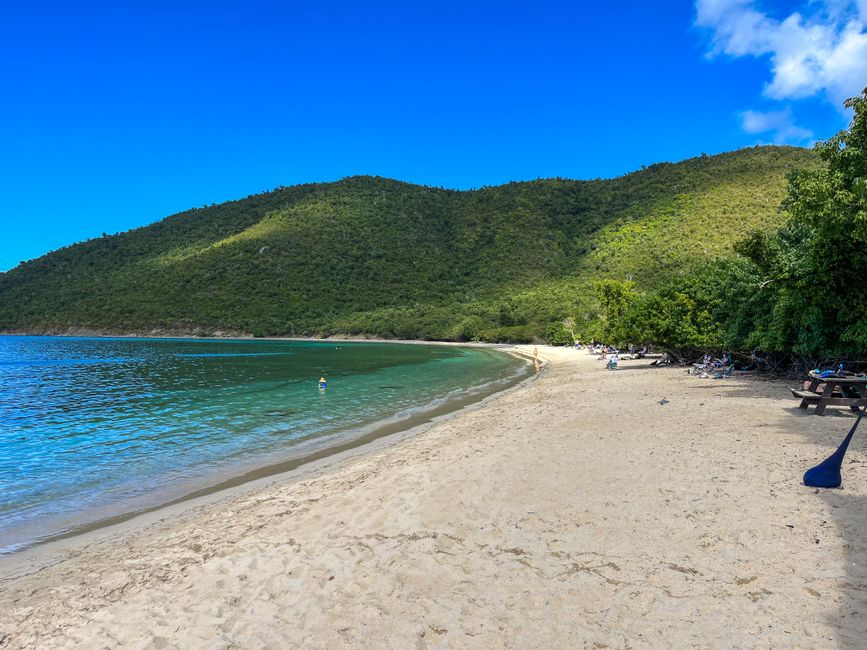
The honest answer is that the USVI skews toward luxury villas, boutique hotels, and condo resorts rather than the big fenced-in all inclusive compounds you find in Cancun or Punta Cana. St. Thomas, the cruise ship hub, has the largest concentration. St. Croix, the biggest and least visited of the three, has a couple of genuine options. St. John is two-thirds national park, and building anything large there is basically off the table, so most visitors rent a villa in Cruz Bay or Coral Bay and cook half their meals.
That is not a flaw, by the way. I kind of love it. But it does change how you budget.
St. Thomas
This is where most all inclusive packages in the US Virgin Islands get sold. The island gets several cruise ships a week, so hotel competition is fierce and package deals with airfare show up constantly, especially September through November, which is hurricane season pricing. Think $350 to $600 per night per couple for a proper all inclusive rate, versus $180 to $300 for the same room on a European plan in shoulder season.
St. Croix
Sleepier, cheaper, and criminally underrated. Resort rates here tend to run 10 to 20 percent below St. Thomas for comparable quality. The trade-off is flight connections, since most routes go through San Juan or Miami first.
St. John
No real all inclusive scene. A few small inns offer meal plans, but if
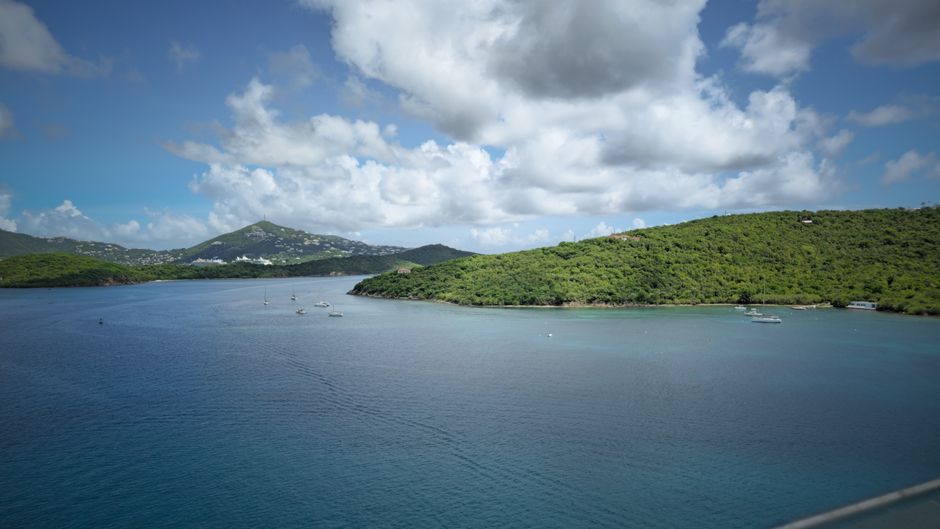 all inclusive is a dealbreaker, skip St. John as a home base and ferry over from St. Thomas for a day instead. The ferry runs about $17 round trip from Red Hook and takes 20 minutes.
What is typically included (and what sneaks past the package)
Read the fine print before you book. Packages labeled all inclusive vary wildly in the USVI, because several are really modified American plans with limits. From what I have seen booking these over the years:
- Almost always included: breakfast, lunch, dinner at one or two designated restaurants, local beer and well liquor, non-motorized water sports (kayaks, paddleboards, snorkel gear).
- Sometimes included: premium brand drinks, one dinner at the specialty restaurant per stay, airport transfers.
- Rarely included: spa treatments, scuba certification, motorized watersports, off-site excursions, and gratuities, which some resorts add as a mandatory 12 to 18 percent service charge on the full package price.
That last one catches people. An 18 percent service charge on a $5,000 package is $900, and it is not optional. Ask before you book, not at checkout.
How much should you budget?
For a couple traveling midweek in low season, a realistic all inclusive budget looks like this:
| Item | Typical cost (couple, 5 nights) |
|---|---|
| All inclusive room package | $1,800 to $3,000 |
| Round-trip airfare (US mainland) | $700 to $1,400 |
| Spa, excursions, extras | $300 to $800 |
| Mandatory service charges | $220 to $360 |
| Total | $3,000 to $5,500 |
Five grand for a week feels steep until you compare it against a non-inclusive trip. Dinners at decent waterfront restaurants on St. Thomas routinely hit $120 for two, and cocktails run $14 to $18 each. Two people drinking modestly can burn $150 a day on food alone, so the math on all inclusive sometimes works, and sometimes it really does not. If you are a two-drinks-with-dinner couple, skip the package. If your ideal day is a beach chair, a book, and six rum punches, the package pays for itself by Wednesday.
When is the best time to book these resorts?
Price swings in the USVI are dramatic. Peak season runs mid-December through mid-April, when New Yorkers and Bostonians are fleeing snow, and rates roughly double. I priced the same St. Thomas resort room at $610 per night in February and $285 in late September. Same room. Same view.
The sweet spots are late April through early June and late November through mid-December. Weather is still lovely, water is still 80 degrees, and the crowds thin out. Hurricane season technically runs June 1 to November 30, and yes, a named storm can scrap your trip, so travel insurance is cheap sanity here. A comprehensive policy with hurricane cancellation coverage runs $80 to $150 for a week-long trip. Worth it, in my opinion, for that window.
Book all inclusive packages three to six months out. The best room categories, the ones with balconies facing the water rather than the parking lot, sell first.
All inclusive versus villa: which is actually better in the USVI?
My honest take after doing both? Villas win on St. John and St. Croix, all inclusive wins on St. Thomas for first-timers.
A three-bedroom villa in Cruz Bay rents for $450 to $700 per night in high season, and split among three couples that beats any resort rate. You get a full kitchen, a grill, laundry, and space to actually relax. Groceries at the Starfish Market are pricier than the mainland, maybe 25 percent more, but cooking breakfast and lunch and eating dinner out still undercuts the all inclusive by a wide margin for groups.
Solo travelers and couples who do not want to think, plan, or drive on the left side of the road should book the package. That is not laziness, it is just a different kind of vacation.
Practical tips nobody tells you first-timers
- No passport needed if you are a US citizen, which is the single biggest reason the USVI beats other Caribbean islands for Americans. A driver’s license works.
- You drive on the left. This takes about a day to stop being terrifying.
- Cash is still king at beach bars and food trucks. Budget $200 in small bills.
- Taxis are shared vans with zone-based flat rates, not meters. Magens Bay from Charlotte Amalie is about $14 per person each way.
- Book a direct flight into St. Thomas (STT) if you can. Connections through San Juan add hours and, occasionally, lost luggage.
Is an all inclusive in the US Virgin Islands worth it?
Worth it if you want a low-effort beach vacation with predictable costs and zero decisions after landing. Not worth it if you are the type who wants to chase the best mofongo on the island or hike the Reef Bay Trail on St. John. The food at most USVI all inclusives is solid but not remarkable, and the islands have genuinely great restaurants, from fine dining in Frenchtown to roadside chicken stands on St. Croix that cost $12 and taste better than anything at a resort buffet. I still think about that chicken stand.
The smartest play, if you want my one-line takeaway: book all inclusive on St. Thomas for a first trip, keep it to five nights, and ferry to St. John for at least one day. You get the carefree resort experience and a taste of the national park beaches that are the real reason the USVI is special, without gambling your whole budget on either one.